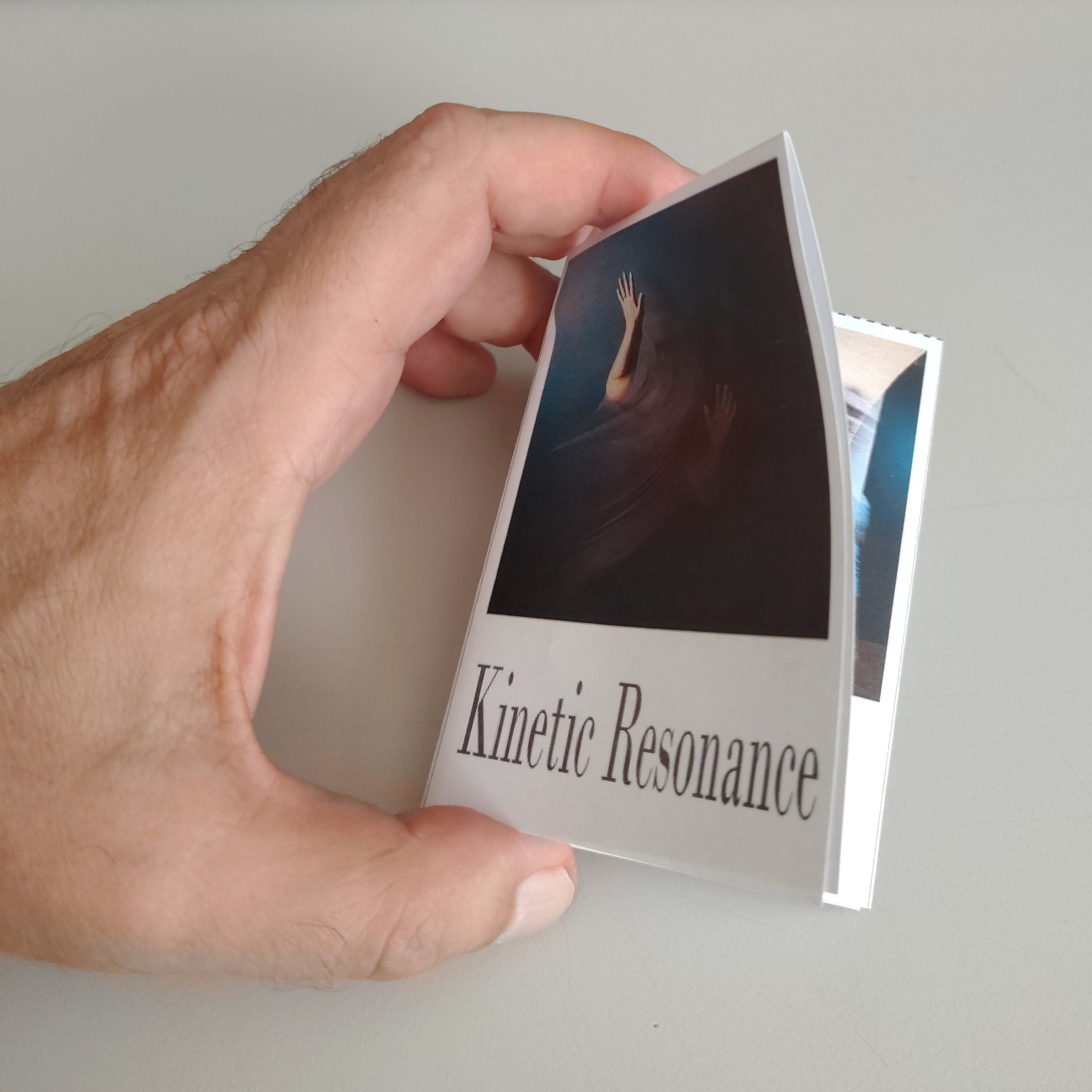
Kinetic Resonance

A while back, I noticed that the ProArt cultural festival was happening in a nearby town, and it included a photography workshop. It’s not that I consider myself a beginner who needs to build skills from scratch, but I figured I could – or rather, I definitely would – gain a fresh perspective and different insights. You’re never too old to pick up something new. To be honest, I mostly went out of curiosity, just to see how other people see the world. So, I cleared my schedule for the weekend and decided to sign up.
ProArt Festival
The ProART Festival has been running in the Czech Republic since 2004, held every summer and fall across several Bohemian and Moravian cities. It usually breaks down into two parts. First, there are workshops where both pros and the general public can dive into various creative disciplines. Then there’s the evening program, where the instructors – all active artists themselves – perform pieces from their own repertoire.
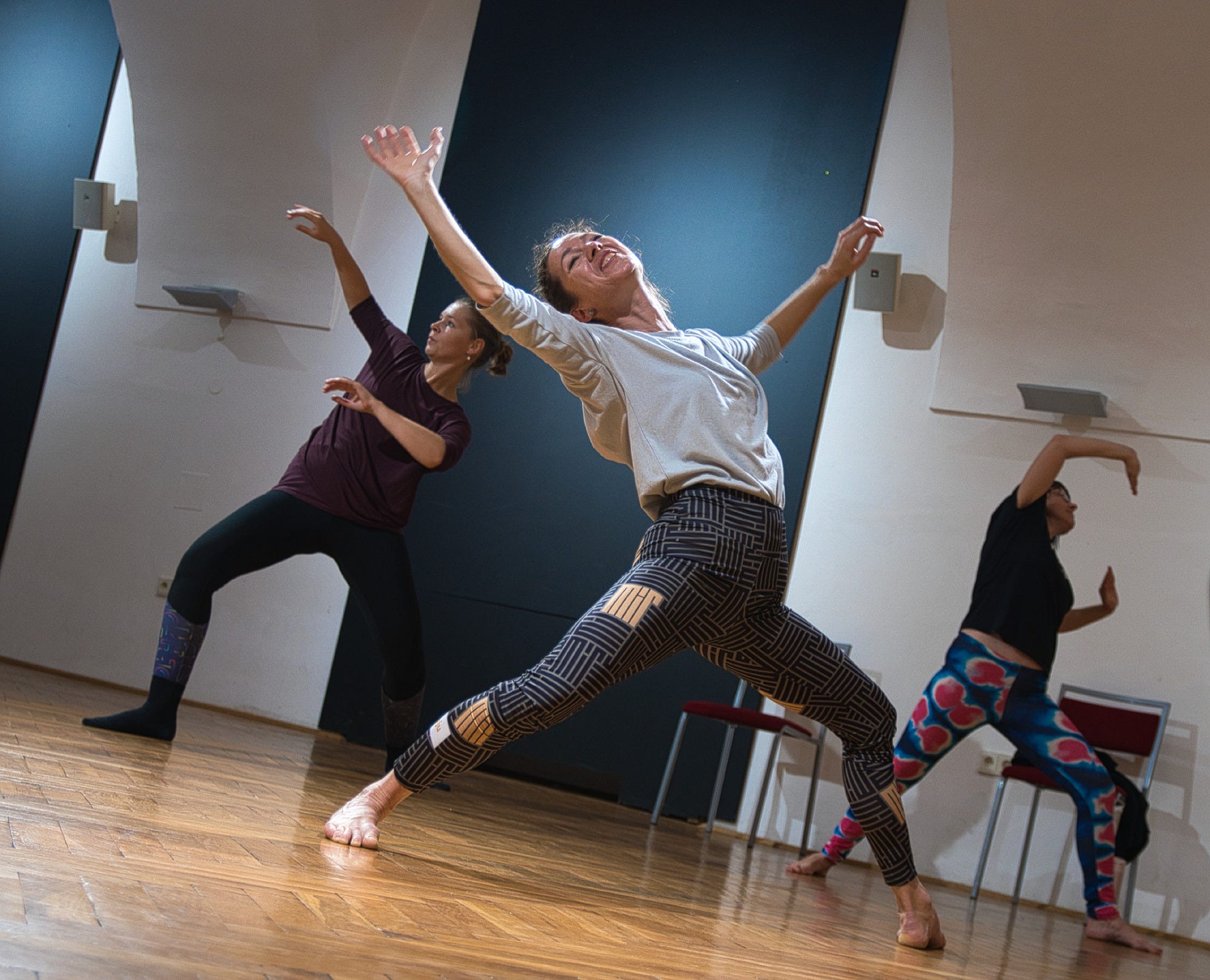
In this year’s edition, the photography workshop was largely integrated with the dance workshop, led by Martin Dvořák and Nataša Novotná, both seasoned pros with international reputations. To put it simply: the dancers danced, and those of us in the photography workshop tried to capture it.
Getting Started
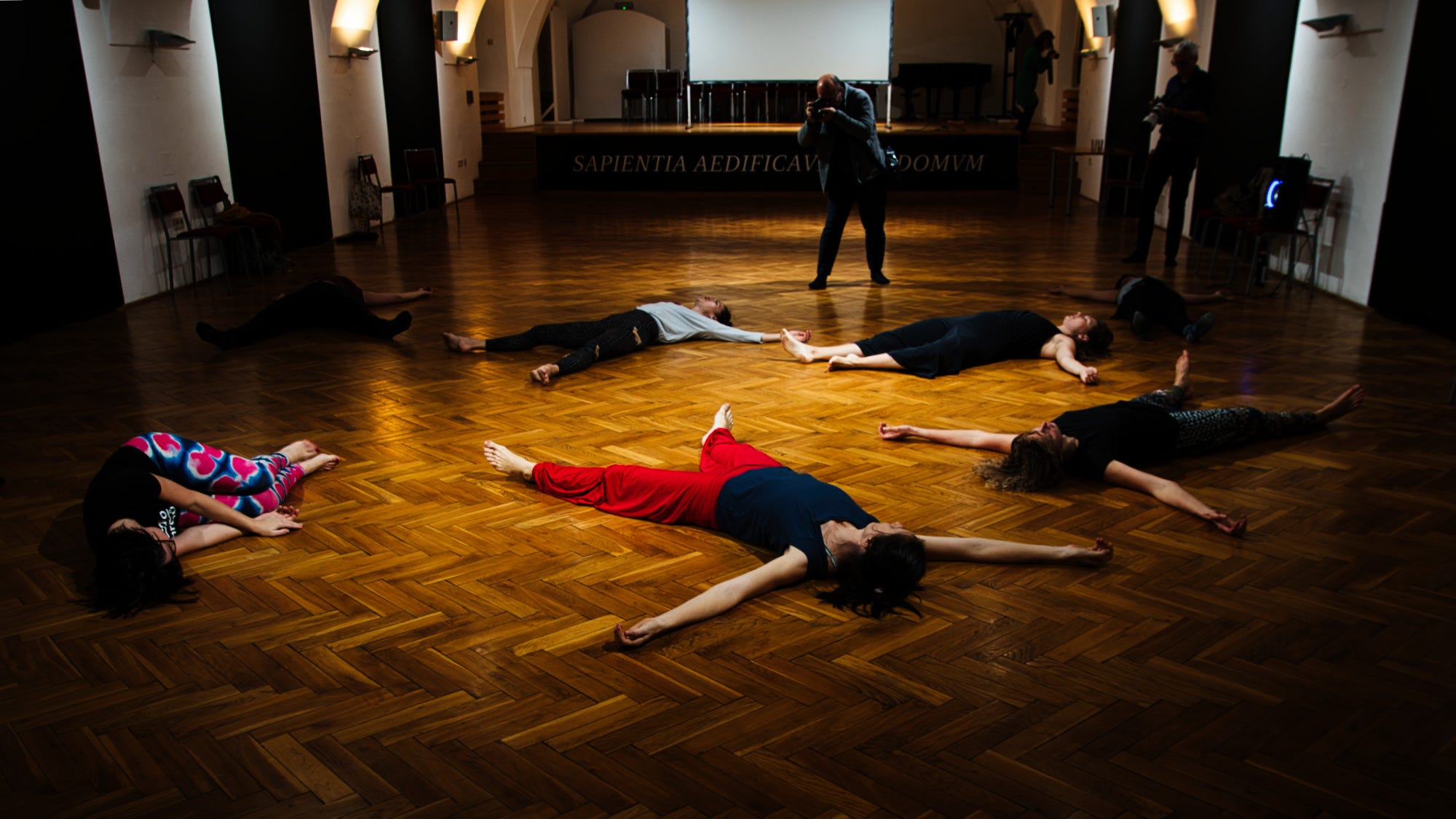
I’m not sure how it was for the other guys—there were five of us photographers—but for me, this was completely uncharted territory. It was pure improvisation and experimentation from start to finish. (And my apologies to the dance masters and workshop participants if the results of my efforts don’t quite match the massive amount of work they put in 😊)
As a subject, dance was incredibly dynamic and unpredictable. It’s a bit like shooting sports. But with sports, if you know the game at all, you can anticipate the plays and get ready for them. In this case, we were all improvising at the same time, and I’ll admit, I felt a little lost every now and then.
Let’s mix it up, shall we?
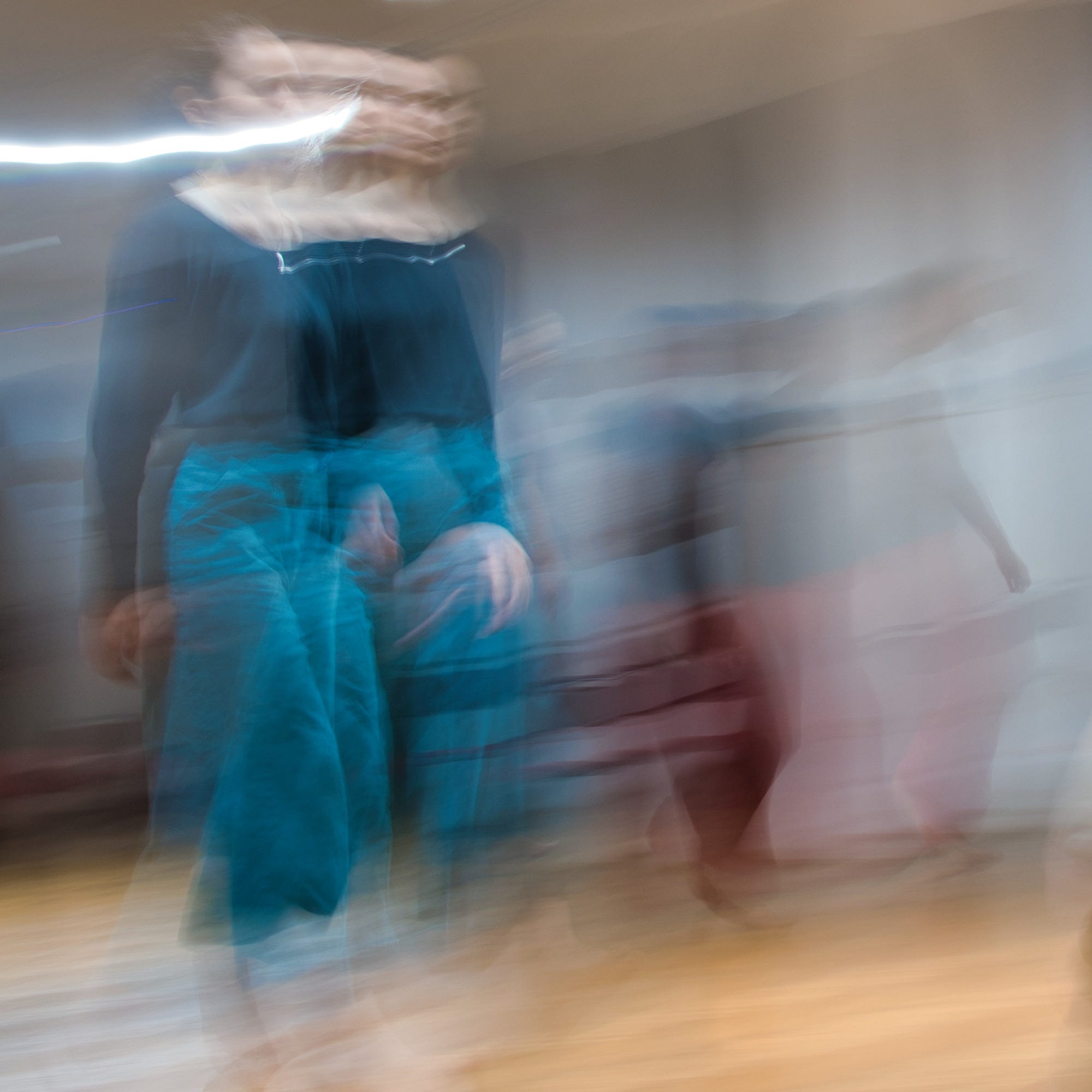
We were shooting away, and during a break, we started discussing the shots. I honestly don’t remember who suggested it first, but suddenly someone said: “What if we tried some long exposures?”
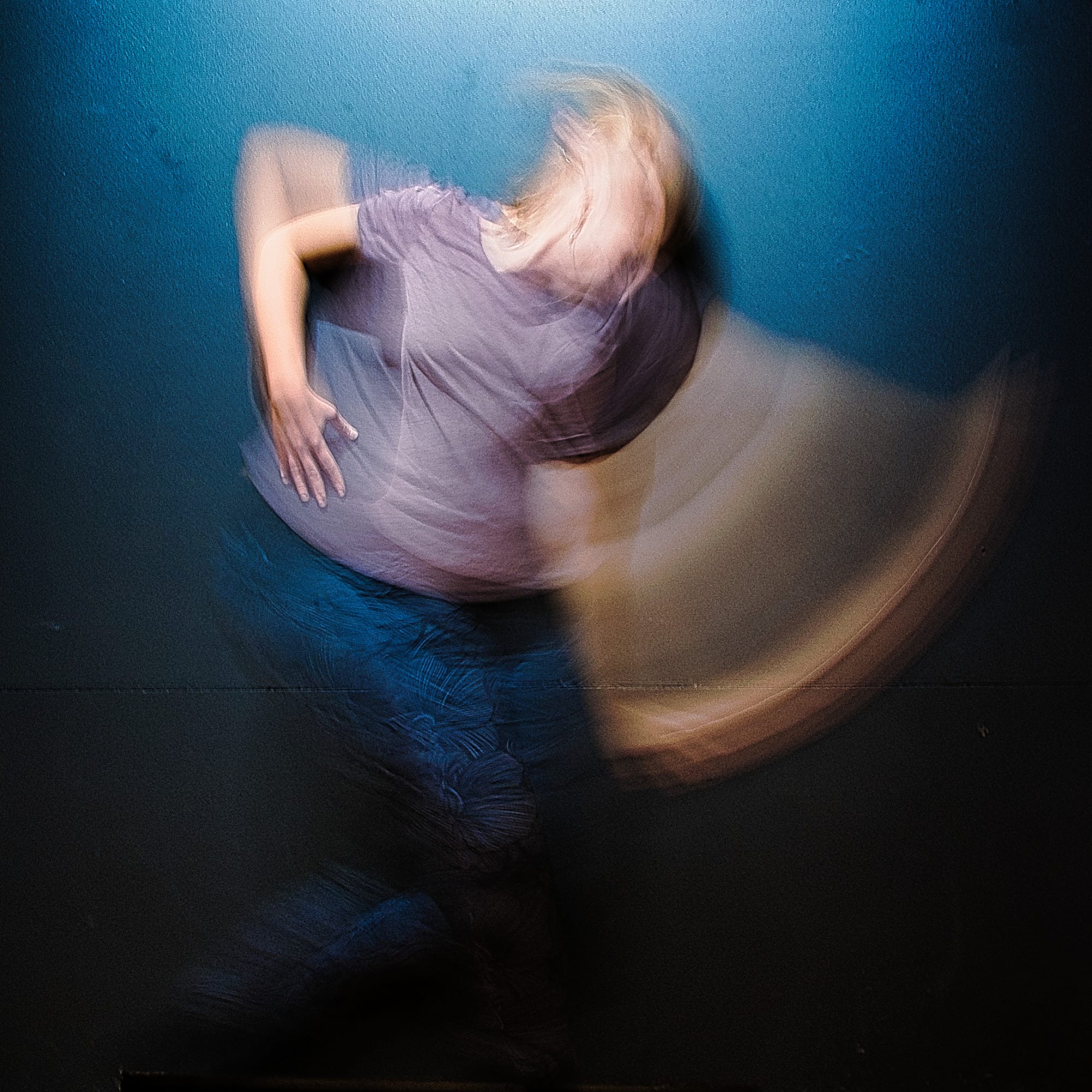
To be honest, it didn’t feel like a great idea at the time. Most photographers – and I’ll admit, I’m guilty of this too – live by the dogma of “razor-sharp focus.” If a shot isn’t crisp, if the details don’t pop, we call it a failure. Blur is just a mistake – a sign that I messed up the settings or my hands were shaking.
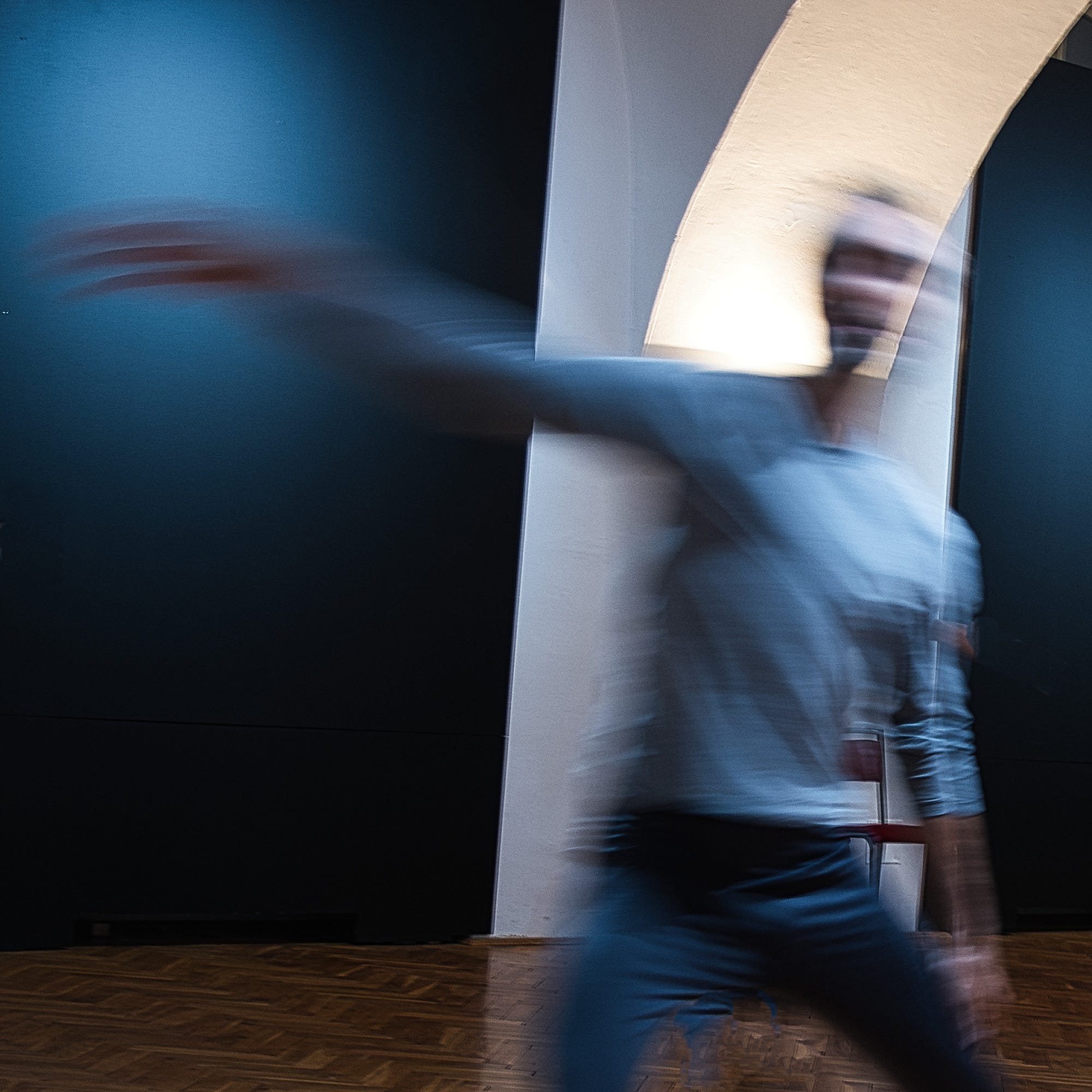
But then two things hit me. First, we’re at a workshop. The whole point is to try something new, to experiment with things I don’t usually do. What’s the point of being here if I’m just going to play it safe and do everything the same way I always have? And second: is it really a mistake if I’m doing it on purpose? If it’s intentional, it’s not an error – it’s a choice. It’s a specific kind of vision.
However, that decision came with a catch: none of us had planned for it, so nobody brought a tripod. 😁
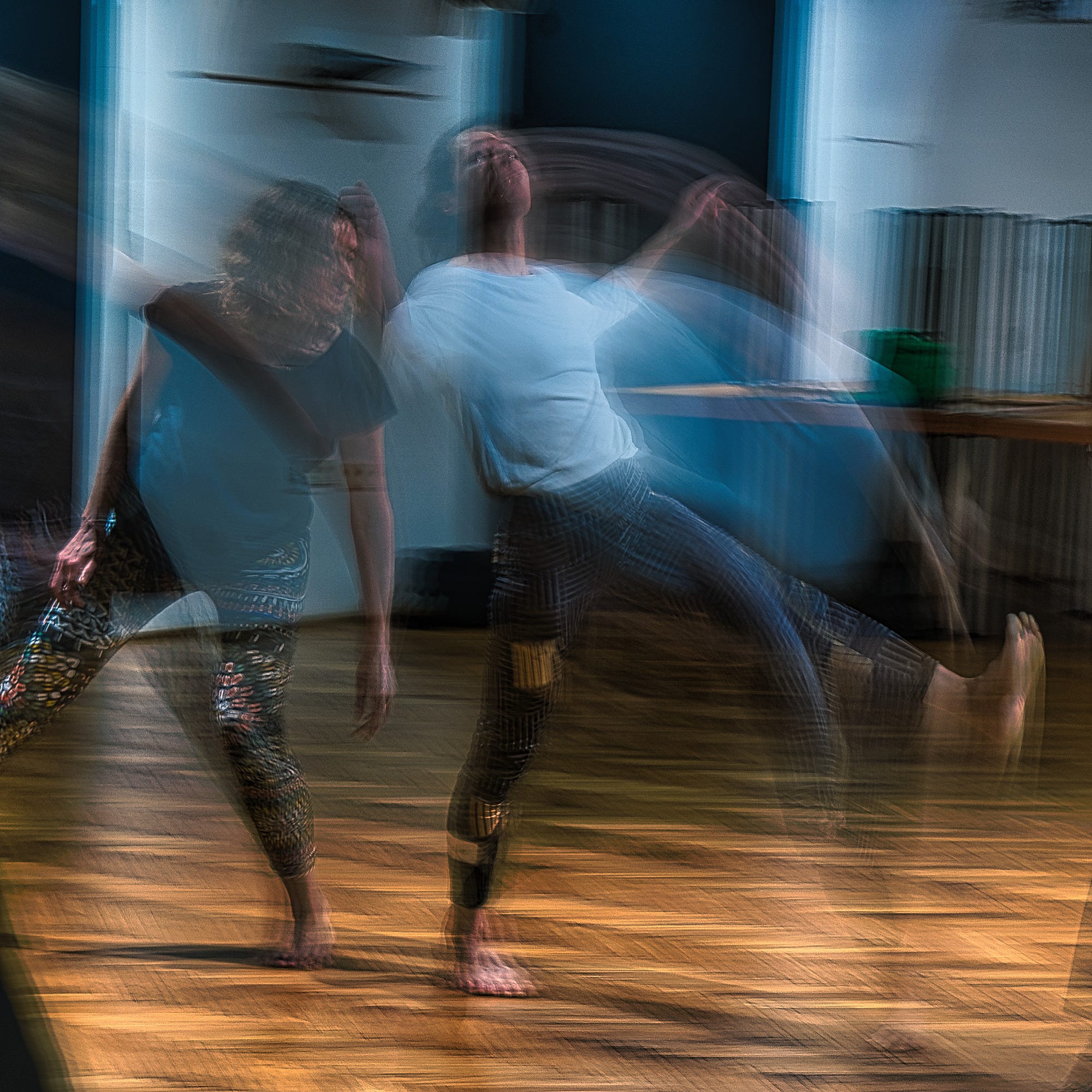
Sure, without a tripod, you can usually improvise by setting the camera on a table, a shelf, a windowsill – basically any solid surface. But that wasn’t going to work here either. The dancing was incredibly dynamic, and the performers were moving all over the room. By the time I’d get the camera leveled on a ledge, the shot would be gone.
So, how do you work around that? I ended up taking most of these shots sitting on the floor with my legs tucked in – feet apart, knees together – stabilizing the camera on an improvised “tripod” made of my own legs and bones.
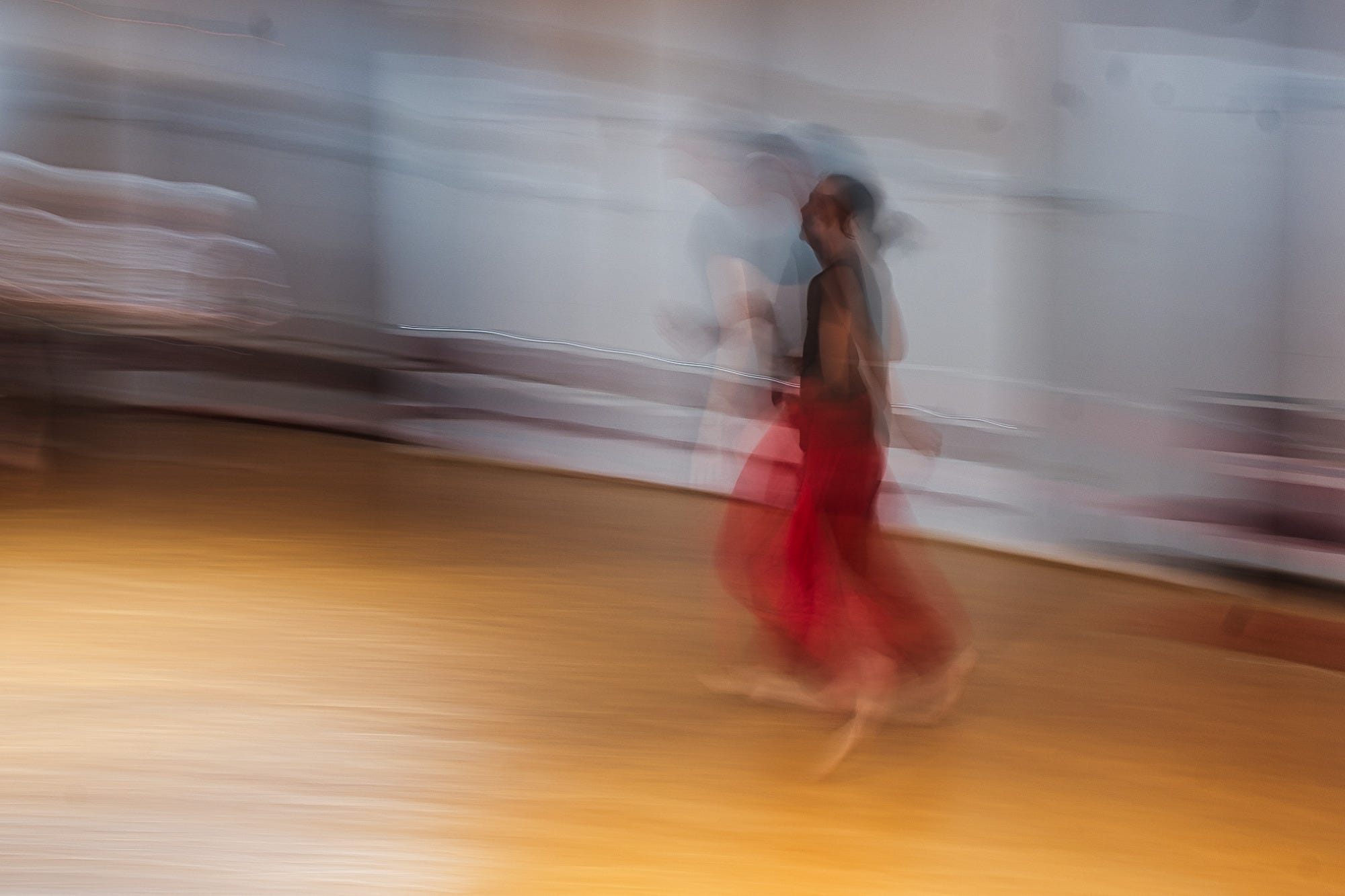
In the end, the results matter more than the methods. It was an experiment, pure improvisation, but considering the circumstances, I think it turned out pretty well.
Conclusion?
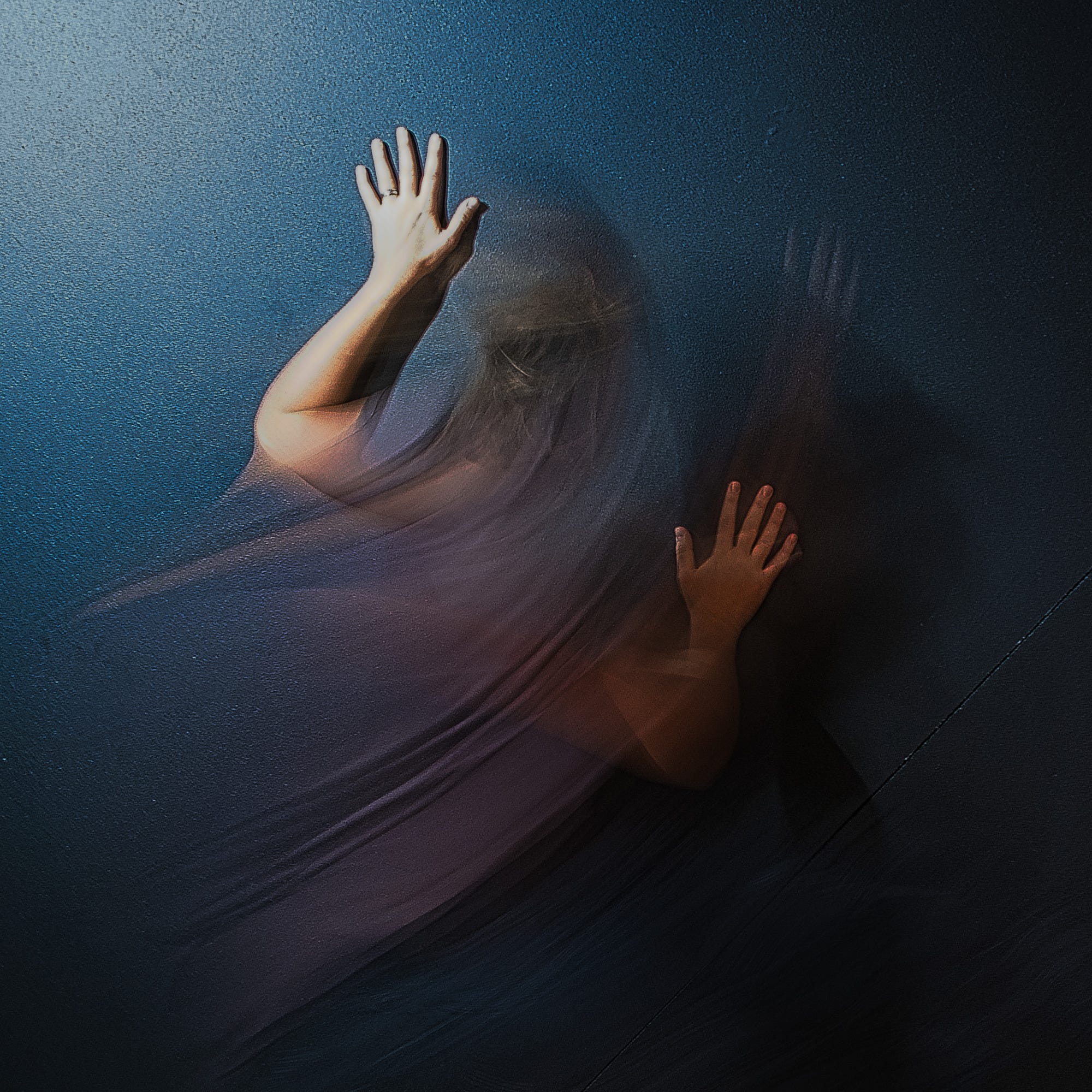
I decided to call this Kinetic Resonance. I’m intentionally walking away from “geometry” and “anatomy” to find ghosts instead. These shots aren’t about who the people are – they’re about how they move.
When you drag the shutter, you aren’t just taking a photo; you’re recording a trace of time. Blurred figures, hands reaching toward a wall – they become pure motion. It’s no longer about the subject. It’s about the flow, the movement, the continuity.
In this case, I stopped trying to capture reality as it is. Looking back, I’m glad I managed to capture, at least to some extent, the vibrations that reality leaves behind.
This article is supplemented by a physical dimension. Download, print, and assemble the micro-zine to complete the experience.